
A Tree Grows in Brooklyn | by Betty Smith
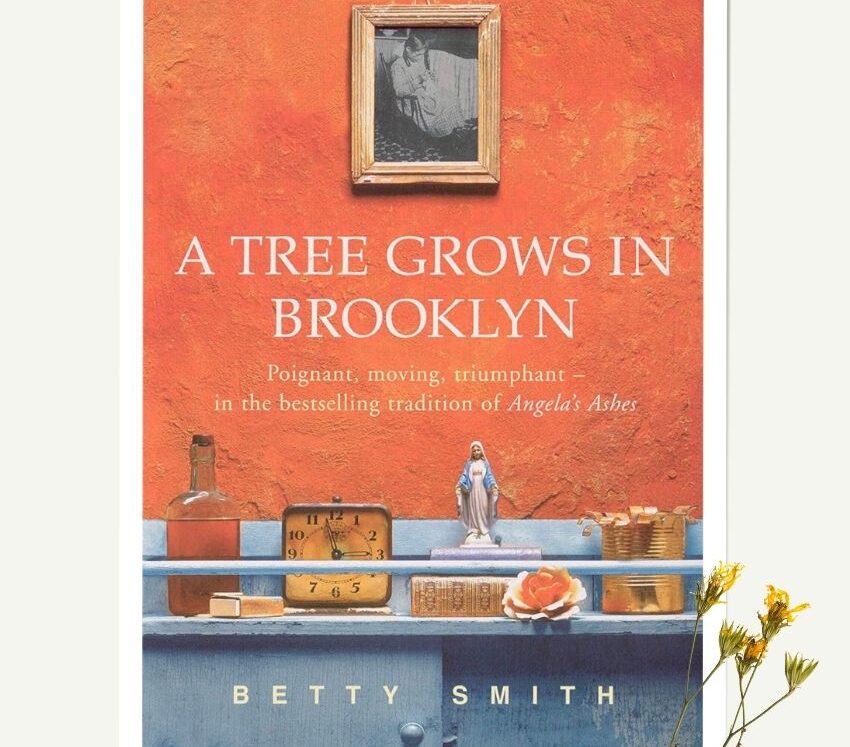
Published 1943 | Semi-Autobiographical, Fiction
A Tree Grows in Brooklyn follows Francie Nolan and her family as they navigate poverty and hope in early 20th-century Brooklyn, weaving a tender coming-of-age story rooted in resilience and quiet dignity.
I picked this one up because
a. It’s heralded as a modern American classic (and rightly so),
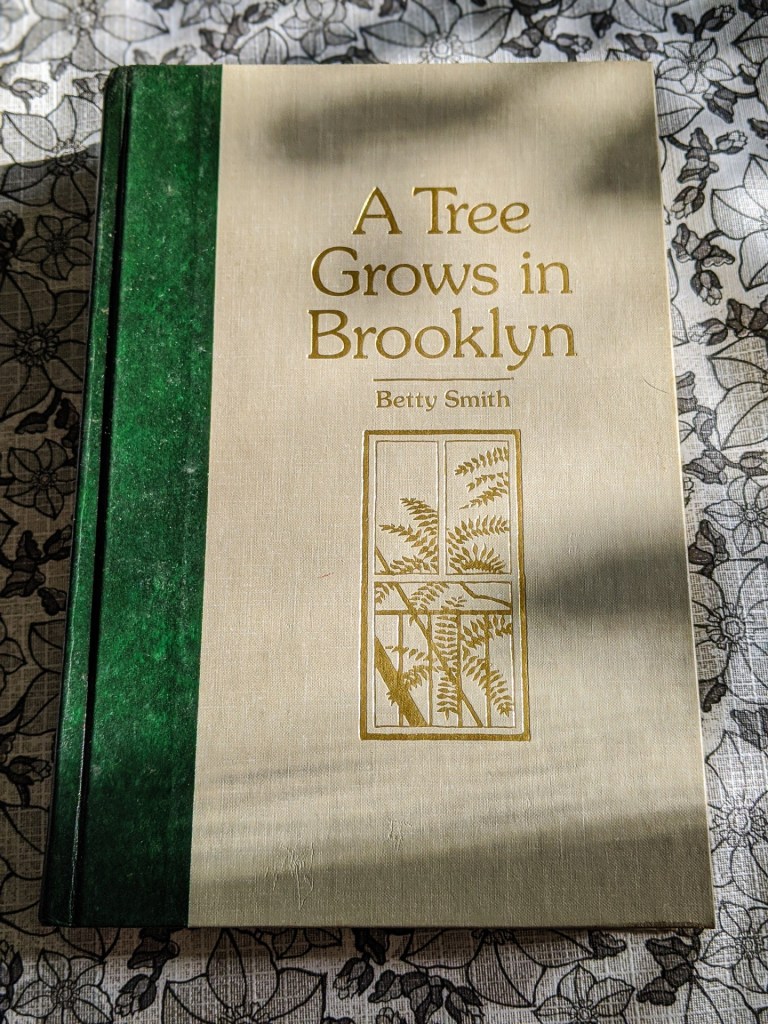
b. The edition was remarkably pretty.
I have a weakness for pretty-looking books. This one was a Reader’s Digest Special Edition, hardbound with the title written in golden lettering, no less. I spent two days just looking at the book, touching it, and sniffing it.
A Tree Grows in Brooklyn is a poignant read about Katie and Johnny Nolan and their kids, Francie and Neeley. Built around the metaphor of the Tree of Heaven, which flourishes anywhere, the novel is set in early 1900s Brooklyn. It’s beautifully sentimental, tracing the daily lives of children navigating poverty while their dreams remain intact.
Francie, the elder sibling, finds her solace in reading and writing, and the novel understands what’s going on in her world through words. For Neeley, Francie, and his Papa are the world. The relationship of Johnny Nolan with the kids, the tenderness and heartbreak of incompetent fatherhood — it’ll bring you to tears several times. Katie remains the practical one and toils day and night for her children. Johnny tries his level best, but somehow is never able to match Katie in her grit to give the children a better life.
A simple example: on Sunday, at dinner, all the family members are given their food and a cup of coffee. Francie is allowed to throw hers — every Sunday — because in her mother’s eyes, that’s the only concession the children have, to feel normal and a little less poor. So to speak, even they have the right to throw away things they don’t like. It’s a simple incident, but very significant.
As life goes on, things get better; there are irreparable losses, but Francie and Neeley show a spirit akin to the eponymous tree — hardy and resilient, thriving wherever they are put.
Another magnificent thing in this book is the relationships all around: Katie’s with her siblings, Johnny and Katie themselves, who love each other deeply, even while the corrosive bitterness that poverty inevitably brings pervades their exchanges. Johnny’s music, the way he expresses himself in song, is unforgettable, and it makes you grieve for him even though you see the injustice meted out to Katie through his irresponsibility.
It’s a book that’ll make you reach deep into your mind, to your childhood, pull out memories you thought were forgotten, and make you reflect anew on them. An extraordinary story of ordinary lives, here is a quote from the book that sums it up for me: “Look at everything always as though you were seeing it either for the first or the last time. Thus is your time on earth filled with glory”.
